Proudly blogging since 1995
Ich bin ein Quorot!
-
Vorträge zum Herunterladen
Now also available in English!
Cole’s YouTube-Kanal
Bei Amazon erhältlich: Wild Wild Web
Achtung, autonome Kamera!
Quora
Cole’s Podcasts
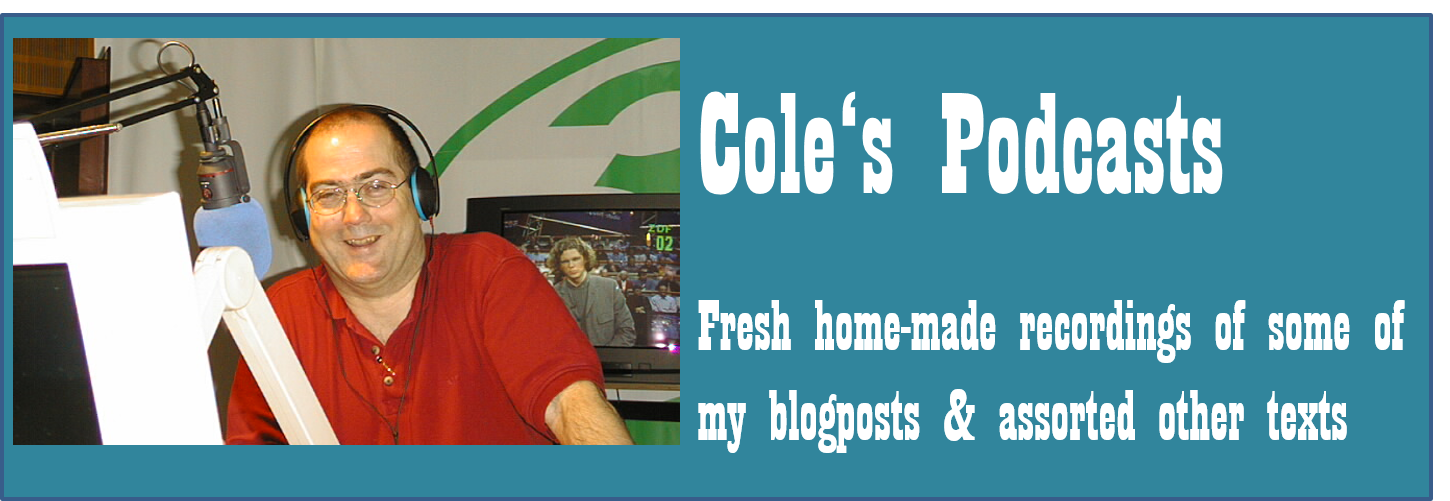
Now in English: Digital Enlightenment Now!
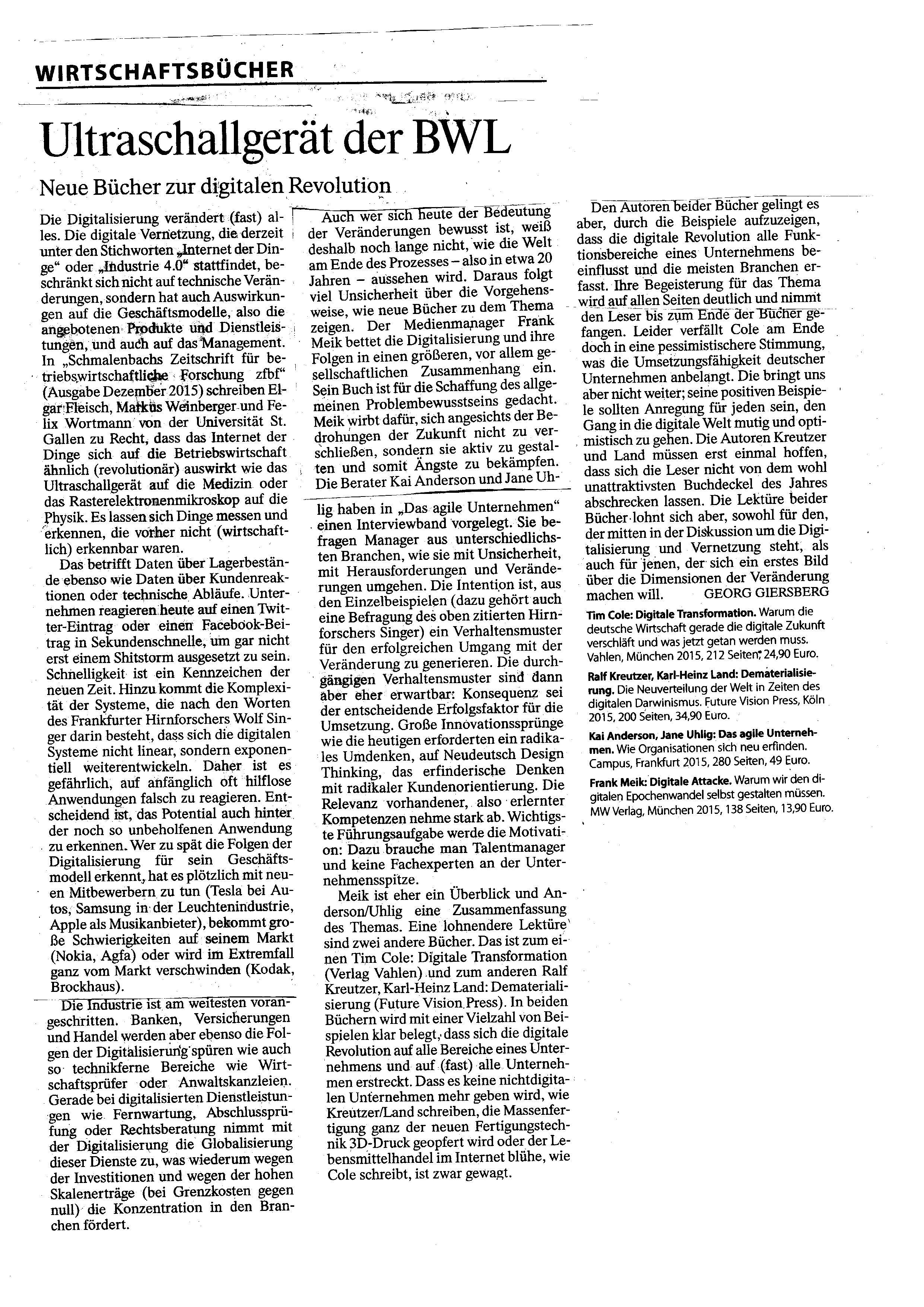
Pressestimmen
VDI Technik in Bayern
20.12.2020
Da hat jemand offensichtlich viel qelesen. Tim Cole hat sich in einer irren Fleißarbeit in das Thema KI eingearbeitet. Cole liefert seit Jahrzehnten Bücher rund um das Internet ab und agiert dabei gerne als Mischung aus Wanderprediger und Bergführer. Cole will immer das zeigen, was andere gerne übersehen. Wichtig ist, das Ziel zu erreichen.IX
19.10.2020Trotz des nicht unbedingt technischen Ansatzes hält sich Cole an Fakten, ohne in Alarmismus oder moralische Panik zu verfallen.
socialnet
9.5.2019Cole stellt ein überzeugendes Plädoyer gegen die GAFA-Kultur vor, die abhängig macht und in die digitale Vereinsamung führt. Hilfe verspricht nur ein kultureller Ausbruch aus der digitalen Bevormundung und Ausbeutung wie Kontrolle. Er empfiehlt digitales Fasten und einen kompetenten Umgang mit den neuen Technologien, die eine entsprechende digitale Kultur ermöglicht. Cole hat recht: Wir müssen um die kulturelle Bewältigung der neuen Technologien kämpfen und daran arbeiten, diese zu zähmen, zu domestizieren und zu entkriminalisieren, kurz zu kultivieren wie bei den anderen technologischen Revolutionen zuvor. Die Parallelen mit dem wilden Westen und der Blattgold-Räuberkultur sind nicht von der Hand zu weisen. Ein anregendes Buch für diejenigen, die nicht jedem technologischen Hype folgen müssen, sondern bereit sind, darüber nachzudenken, welche Techniken und als Menschen wirklich fördern.
Prof. Dr. Dr. Bernhard Irrgang
weiterTrend Magazin
15.1.2018"Führt die Digitalisierung zu Ende!"
weiterAllgemeine Zeitung
5.4.2017„Mehr Mut statt German Angst“ Uber, das größte Taxiunternehmen der Welt, besitzt keine Autos. Und Facebook, das größte aller Medienunternehmen, beschäftigt keine Redakteure. Die Digitalisierung krempelt die Gewohnheiten des Arbeits- und Wirtschaftslebens um. Und Deutschland spielt allenfalls eine Nebenrolle. Das findet zumindest der US-Publizist Tim Cole. weiter
Saarbrücker Zeitung
22.3.2017
"Klatsche für Politik und Wirtschaft: Schallende Ohrfeige für Politik und Telekom von einem Internet-Profi: Sollte Deutschland im internationalen Vergleich nicht mehr konkurrenzfähig bleiben, dann liegt dies an zögerlichen Entscheidungen der Regierung und des Multimedia-Riesens. Denn beide haben Entwicklungen hin zur digitalen Zukunft verschlafen. Davon ist Tim Cole überzeugt. weiterHuman Resources Manager
„Wir müssen mehr auf die Eigenverantwortung der Mitarbeiter setzen“ Die deutsche Wirtschaft verschläft die digitale Zukunft, sagt Tim Cole. Der Internet-Experte hält auch den Datenschutz in Deutschland für übertrieben. Ein Gespräch über Big Data, 3D-Drucker und die Notwendigkeit von Netzwerk-Strukturen. weiter
FAZ
25.1.2016Seine positiven Beispiele sollten Anregungen für jeden sein, den Gang in die digitale Welt mutig und optimistisch anzugehen. weiter
Der Standard
2.1.2016Wenn man der Analyse von Tim Cole folgt, dann zehrt die Konjunkturlokomotive von altem Ruhm - und verspielt gerade die Zukunft.
weiterVDI-Nachrichten
4.12.2015Schafft Industrie 4.0 die Voraussetzungen für ein Wirtschaftswunder 2.0? Tim Cole verbindet wie gewohnt die Formulierkunst des einstigen Playboy-Autors mit der Expertise des IT-Spezialisten, wenn er beschreibt, wie die Digitalisierung des Wirtschaftens den Wohlstand in Deutschland gewährleisten kann, sofern sich Unternehmen und Gesellschaft der Herausforderung stellen. weiter
Personal im Fokus 05/2015
Neue Regeln durch digitale Aufklärung
Durch den digitalen Wandel und die Möglichkeiten, die jedem Arbeitgeber und Arbeitnehmer zur Verfügung stehen, können Büros, wie wir sie kennen, in der Zukunft in den Hintergrund rücken. Aus Sicht des Journalisten, Buchautors und New Media Trainers Tim Cole sind Büros veraltet und "fungieren noch als Ort der Begegnung und Marktplatz". Jedoch herrscht weiterhin deutschlandweit die Anwesenheitspflicht am Arbeitsplatz. Eine Lockerung könnte den Mitarbeitern entgegenkommen, denn so können sie entsprechend ihres Tagesrhythmus arbeiten. Zudem können Personalverantwortliche die digitale Aufklärung unterstützen, indem sie sich für den Abbau von Hierarchien einsetzen. In diesem Zug könnte so auch die Produktivität gesteigert werden.
Blogroll
Tim Cole’s Schnappschüsse
Auch ein blindes Huhn findet mal einen Korn, und mir gelingen ab und zu ganz brauchbare Aufnahmen, die ich in loser Folge auf „Fotocommunity“ veröffentliche.
Salzburger Jagdrecht als Podcasts
Zur Vorbereitung auf die Jagdprüfung spreche ich in loser Folge die Prüfungsfragen aus dem „Salzburger Jagdrecht „ hier als Podcasts im .wav-Format ein.
Impressum
verantwortlich für den Inhalt:
Tim Cole
Forsthausgasse 80
55820 St. Michael im Lungau
Tel +43 (6477) 20253
Mob +43 (664) 5452995
Mail tim@cole.deProudly blogging since 1995
Monatsarchive: August 2010
Ist Rassismus demokratiefähig?
Zur Causa Sarrazin ist eigentlich alles gesagt worden in den letzten Tagen. Dass der Mann ein Rassist ist, weiß nun jeder. Wahrscheinlich empfindet er das sogar als Auszeichnung. Man könnte also eigentlich zur Tagesordnung übergehen und hoffen, dass die ganze … Weiterlesen
Verdrängen verboten
Traue bekanntlich keiner Statistik, die du nicht selbst gefälscht hast. Oder zumindest selbst ausgelegt. Diese alte Weisheit fiel mir wieder ein bei der Lektüre der ARD/ZDF-Onlinestudie 2010, deren Ergebnis HR-Intendant Helmut Reitze, stellvertretender Vorsitzender der ARD/ZDF-Medienkommission, so zusammenfasste: „Sie zeigt, … Weiterlesen
A Right to Forget?
The Internet, like an elephant, never forgets. Unfortunately, it also never forgives, as witnessed by the case of Stacy Snyder, a 25 year-old former student at Millersville University School of Education in Pennsylvania, who wanted to become a teacher. Until … Weiterlesen
 Lots of videos on my YouTube Channel
 Meine Smartphonekamera macht sich manchmal beim Knipsen selbständig, und oft kommen dabei wirklich gute Bilder heraus, ohne dass ich etwas dafür kann.