VDI Technik in Bayern
20.12.2020
Da hat jemand offensichtlich viel qelesen. Tim Cole hat sich in einer irren Fleißarbeit in das Thema KI eingearbeitet. Cole liefert seit Jahrzehnten Bücher rund um das Internet ab und agiert dabei gerne als Mischung aus Wanderprediger und Bergführer. Cole will immer das zeigen, was andere gerne übersehen. Wichtig ist, das Ziel zu erreichen.
IX
19.10.2020
Trotz des nicht unbedingt technischen Ansatzes hält sich Cole an Fakten, ohne in Alarmismus oder moralische Panik zu verfallen.
socialnet
9.5.2019
Cole stellt ein überzeugendes Plädoyer gegen die GAFA-Kultur vor, die abhängig macht und in die digitale Vereinsamung führt. Hilfe verspricht nur ein kultureller Ausbruch aus der digitalen Bevormundung und Ausbeutung wie Kontrolle. Er empfiehlt digitales Fasten und einen kompetenten Umgang mit den neuen Technologien, die eine entsprechende digitale Kultur ermöglicht. Cole hat recht: Wir müssen um die kulturelle Bewältigung der neuen Technologien kämpfen und daran arbeiten, diese zu zähmen, zu domestizieren und zu entkriminalisieren, kurz zu kultivieren wie bei den anderen technologischen Revolutionen zuvor. Die Parallelen mit dem wilden Westen und der Blattgold-Räuberkultur sind nicht von der Hand zu weisen. Ein anregendes Buch für diejenigen, die nicht jedem technologischen Hype folgen müssen, sondern bereit sind, darüber nachzudenken, welche Techniken und als Menschen wirklich fördern.
Prof. Dr. Dr. Bernhard Irrgang
weiter
Trend Magazin
15.1.2018
"Führt die Digitalisierung zu Ende!"
weiter
Allgemeine Zeitung
5.4.2017
„Mehr Mut statt German Angst“ Uber, das größte Taxiunternehmen der Welt, besitzt keine Autos. Und Facebook, das größte aller Medienunternehmen, beschäftigt keine Redakteure. Die Digitalisierung krempelt die Gewohnheiten des Arbeits- und Wirtschaftslebens um. Und Deutschland spielt allenfalls eine Nebenrolle. Das findet zumindest der US-Publizist Tim Cole. weiter
Saarbrücker Zeitung
22.3.2017
"Klatsche für Politik und Wirtschaft: Schallende Ohrfeige für Politik und Telekom von einem Internet-Profi: Sollte Deutschland im internationalen Vergleich nicht mehr konkurrenzfähig bleiben, dann liegt dies an zögerlichen Entscheidungen der Regierung und des Multimedia-Riesens. Denn beide haben Entwicklungen hin zur digitalen Zukunft verschlafen. Davon ist Tim Cole überzeugt. weiter
Human Resources Manager
„Wir müssen mehr auf die Eigenverantwortung der Mitarbeiter setzen“ Die deutsche Wirtschaft verschläft die digitale Zukunft, sagt Tim Cole. Der Internet-Experte hält auch den Datenschutz in Deutschland für übertrieben. Ein Gespräch über Big Data, 3D-Drucker und die Notwendigkeit von Netzwerk-Strukturen. weiter
FAZ
25.1.2016
Seine positiven Beispiele sollten Anregungen für jeden sein, den Gang in die digitale Welt mutig und optimistisch anzugehen. weiter
Der Standard
2.1.2016
Wenn man der Analyse von Tim Cole folgt, dann zehrt die Konjunkturlokomotive von altem Ruhm - und verspielt gerade die Zukunft.
weiter
VDI-Nachrichten
4.12.2015
Schafft Industrie 4.0 die Voraussetzungen für ein Wirtschaftswunder 2.0? Tim Cole verbindet wie gewohnt die Formulierkunst des einstigen Playboy-Autors mit der Expertise des IT-Spezialisten, wenn er beschreibt, wie die Digitalisierung des Wirtschaftens den Wohlstand in Deutschland gewährleisten kann, sofern sich Unternehmen und Gesellschaft der Herausforderung stellen. weiter
Personal im Fokus 05/2015
Neue Regeln durch digitale Aufklärung
Durch den digitalen Wandel und die Möglichkeiten, die jedem Arbeitgeber und Arbeitnehmer zur Verfügung stehen, können Büros, wie wir sie kennen, in der Zukunft in den Hintergrund rücken. Aus Sicht des Journalisten, Buchautors und New Media Trainers Tim Cole sind Büros veraltet und "fungieren noch als Ort der Begegnung und Marktplatz". Jedoch herrscht weiterhin deutschlandweit die Anwesenheitspflicht am Arbeitsplatz. Eine Lockerung könnte den Mitarbeitern entgegenkommen, denn so können sie entsprechend ihres Tagesrhythmus arbeiten. Zudem können Personalverantwortliche die digitale Aufklärung unterstützen, indem sie sich für den Abbau von Hierarchien einsetzen. In diesem Zug könnte so auch die Produktivität gesteigert werden.
 A question on Quora today sent me off on a trip down memory lane. Someone asked: „Which bottles should be tasted at least once in the life of a wine lover?“
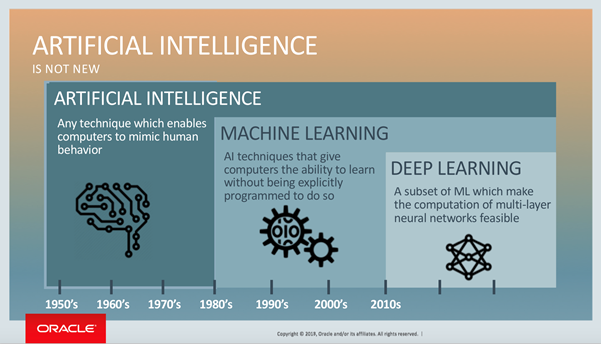 KI stößt dort an ihre Grenzen, wo das Trainieren intelligenter Systeme und Algorithmen mit menschlichem Aufwand verbunden ist. Expertensysteme sind dafür das beste Beispiel: Im Zeitalter von Big Data und IoT liefern Sensoren so große Datenmengen, dass kein Mensch mehr mit dem Füttern der Rechnersysteme nachkommen kann. Die Maschinen, das war schon iin den Urtagen der KI in den 50er Jahren klar, werden lernen müssen, selber zu lernen.
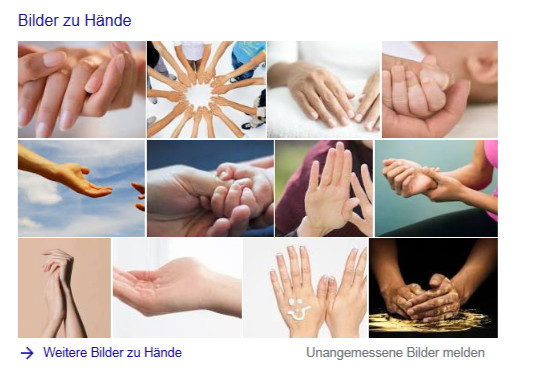 Suchmaschinenbetreibern wird seit Jahren vorgeworfen, rassistische Algorithmen zu verwenden. Versuchen Sie es selbst: Wer bei Google oder Bing als Suchbegriff „Hände“ eingibt, bekommt fast ausschließlich weiße Hände präsentiert. Ähnliches passiert, wenn man „babies“ eingibt: Es lachen einem nur weiße Säuglinge entgegen! Die Grafikdesignerin Johanna Burai geründete deshalb 2015 sogar ein Projekt, das Sie World White Web nannte, wo sie Handfotos von Menschen dunkler Hautfarbe sammelte und die Besucher aufforderte, diese möglich weitläufig zu teilen, um damit das so genannte Ranking der Suchmaschinen zu beeinflussen. Über Zeit, so argumentierte sie, würden die Algorithmen anfangen dunkle Hände als „normal“ einzustufen und entsprechend weiter oben in den Ergebnissen zu platzieren.







 Lots of videos on my YouTube Channel
 Meine Smartphonekamera macht sich manchmal beim Knipsen selbständig, und oft kommen dabei wirklich gute Bilder heraus, ohne dass ich etwas dafür kann.