Agents, avatars and anonymity

And who are you?

And who are you?

Our traditional way of thinking about privacy and intimacy no longer serve any meaningful purpose in a digitally networked world, so what’s the alternative? What could replace it? There are several likely candidates. One is the concept of “digital discretion” we have talked about at length in this chapter. Others are anonymity and pseudonymity.

Anyone who wants to be treated with discretion in the digital world, we believe, should be allowed to choose their own degree of exposure and, if they so desire, send a substitute instead; someone equipped and empowered to act as their representative dealing with others in the digital realm.

The word “avatar” has been around long before the 2009 film of that name by James Cameron. The word goes back to ancient India and is used to describe the reincarnate Hindu god Vishnu who is believed to have existed in many different incarnations, each with its own persona, namely the avatar. In almost all Hindu denominations, Vishnu is either worshipped directly or in the form of his avatars, the most famous of whom are Rama and Krishna. Vishnu is immediately recognizable to the cognoscenti in any of his various forms, including that of a woman – unlike avatars in the technisized Western sense of the word, where avatars do not bear any resemblance to the human owners. Weiterlesen

Veröffentlicht unter Das digitale Ich, Digitale Aufklärung | Verschlagwortet mit , , , , , , , , , , , | Hinterlasse einen Kommentar

Muss ich Euch kennen?

Facebook-Friends

Was mir übrigens tierisch auf den Senkel geht sind Leute, die sich mit mir befreunden und das als Gelegenheit nutzen, mir Schleichwerbung für ihre Firmen oder Aktivitäten unterzuschieben. Ich werde solche Leute künftig „unfriended“ und ihre Werbeposts sofort löschen – egal, ob ich sie eigentlich gut finde oder nicht! Das ist unerzogenes Benehmen, sonst nichts!!! Vorher fragen, okay?

Diese Zeilen habe ich in vollem Brass auf meine Facebook-Seite knallt, weil mir schon wieder irgendeine Immobilien-Tussi so eine halbseitige Werbeanzeige reingeknallt hat. Das heißt: Sie hat sich erst einmal bedankt dafür, dass ich auf ihre Freundschaftsanfrage reagiert habe. Das ist ja so weit in Ordnung, auch wenn mir ein „Daumen hoch!“ schon genügt hätte.

Das Problem ist die Friends-Inflation, und daran bin ich natürlich selber schuld. Jeder muss ja für sich die Frage beantworten: Wen will ich überhaupt auf Facebook als Freund haben. Oder wie der alte Hermann Kock, Chef der Reisemobilabteilung von Karmann, es in einem meiner früheren Leben so wunderbar von oben herab sagen konnte, wenn er jemandem vorgestellt wurde, der ihm offenbar unsympathisch war: „Muss ich Sie kennen?“

Ich habe neulich die „Schallmauer“ von 1000 FB-Freunden genommen, weil ich mir vor Jahren angewöhnt habe, Anfragen anzunehmen von Leuten, mit denen ich viele Freunde teile. Ich habe keine feste Untergrenze, aber wenn wir 20 oder 30 gemeinsame Bekannte auf Facebook haben, dann kann das doch eigentlich gar kein schlechter Mensch sein, oder? Weiterlesen

Veröffentlicht unter Digitale Aufklärung | Verschlagwortet mit , , , , | 1 Kommentar

Netiquette – die Benimmregeln des Internet

Diese Liste von „Benimmregeln für das Internet“ habe ich 1999 geschrieben für das Loseblatt-Buch „Internet Praxis“, das ich für den Interest-Verlag geschrieben und anschließend ein paar Jahre lang mit vierteljährlichen Aktualisierungen betreut habe. Ich denke, es verdient, als Dokument der Internet-Geschichte festgehalten zu werden. Es hat sich seitdem eine Menge geändert – und vieles ist bis heute gleich geblieben…

Tim Cole, im Dezember 2014

________________________________________________________________________

Während der artige Diener und der formvollendete Handkuss langsam aber sicher aus unserem Alltag ver­schwinden, blüht im virtuellen Raum der Datennetze eine Kultur, die auf einem erstaunlich stren­gen und komplexen Benimmregelwerk aufgebaut ist – der sogenannten „Netiquette“. Dabei geht es keineswegs um betont höfliche Umgangsformen, sondern eher darum, ei­nen Satz gemeinsamer Spielregeln festzulegen für die wichtigsten Aspekte des Online-Miteinander.

Manchmal wirken die Regeln auf Außenstehende unfrei­willig komisch. In Deutschland, zum Beispiel, das ein Pro­blem mit der direkten Anrede unter Fremden hat (und auf dem Internet sind sich die meisten „fremd“ insoweit, als sie sich in der Regel nie vorher gesehen haben). Im Com­pu­­Serve-Forum des Hamburger Nachrichtenmagazins „Der Spiegel“ wurde anfangs lange und zum Teil heftig da­rüber gestritten, ob das hanseatisch-förmliche „Sie“ statt des in Deutschland netzüblichen „Du“ zu verwenden sei.

Die Diskussion wurde zum Teil mit dem Stilmittel des „Flames“ ausgetragen. Das sind oft wüste Beschimp­fungstiraden, die einen Networker bei besonders eklatan­ten oder eben besonders dümmlichen Übertretungen der Netiquette ereilen können. Es geht darum, dem Verursa­cher durch überflüssigen Datenverkehr die Hölle mög­lichst heiß zu machen. Keine Spur von besonderer Höf­lichkeit – im Gegenteil. Gegen die formvollendete Inhalts­losigkeit der Etikette setzt die Netiquette den Schutz des Inhalts der weltweiten Kommunikation: die Substanz des Netzes. In­formationen, Nachrichten und Fakten sowie deren effektive Kommunikation sind allemal wichtiger als förm­liche Flos­keln oder akademische Allüren. Weiterlesen

Veröffentlicht unter Das digitale Ich | Verschlagwortet mit , | Hinterlasse einen Kommentar

Going Public

Vorm Drücken bitte drücken!

Vorm Drücken bitte drücken!

We need to remind ourselves from time to time that privacy and secrecy are not the normal human condition. In fact, privacy is an invention of the 18th and 19th centuries. The rising middle-classes suddenly found themselves wealthy enough to build private houses big enough for them to retire „into the privacy of the home”, as the adage goes. Formerly this had only been the privilege of the very rich or of the aristocracy.

The notion of privacy as more than a luxury for the very few, therefore, is less than 200 years old. The rest of human history was spent in villages, where everything is known about everybody and secrets are shared but hardly ever mentioned.

In fact, it turns out that privacy is actually a very Western concept. In India, even middle-class people are used to living in large, densely packed family units where privacy is almost completely unknown. In Japan, where the walls of rooms in the average house consist of rice paper and bamboo, any attempt to “retire into privacy” would be though rather funny. In most Eastern societies, everyone knows and accepts that they can, at any time, become the instant focus of a large gathering of family and friends, neighbors and strangers who may wander in from the street.

The concept of an “open society”, then, is already an accepted norm in many countries of the world. Anyone who is part of such a society lives with a kind of moral reflex that says: Be aware that anything you do or say is probably already part of the public domain or can become so at a moment’s notice. Live your life accordingly. Weiterlesen

Veröffentlicht unter Das digitale Ich, Digitale Aufklärung | Verschlagwortet mit , , , , , , , , | Hinterlasse einen Kommentar

New Podcasts:

Digital Bedouine square

Digital Bedouine seeks digital oasis

Learning that we only need to store really important things in our biological memory is the most important lesson of all. Everything else we can find online.

posted Nov. 30, 2014


peeping-tom_o_1645087

 Going public

The notion of privacy is less than 200 years old. The rest our history we lived in villages , and there everything is known about everybody. So what else is new?

posted 1. Dec, 2014

Veröffentlicht unter Allgemein | Hinterlasse einen Kommentar

Generation Now!

No duh, butt munch!

No duh, butt munch!

The pace set by digitalization and networking, the one that so many of us have problems keeping up with, has consequences for personality development , too. Common thinking has it that the best of our humanity is expressed through our individuality. This belief is  especially popular amongthe right-wing Republican teapotties and with some short-sighted libertarians who hero-worship the individual, represented in its crudest form by  tough guys like Marlboro Man.

Jaron Lanier, the former musician and Internet critic, is a typical example of this school of thought: Collective, or Swarm Intelligence, Crowdsourcing and the Open Source movement, he believes, are in fact harbigers of something he calls “digital Maosim” which will somehow stifle individual effort and lead one day to the downfall of the middle-class businessman. Been watching too many westerns lately, Jaron?

In fact, psychologists have long realized that individuation is simply one of many normal stages in the development of personality. Almost everyone goes through a phase of defiance at some time in their early lives. This is where adolescents learn to deal with conflict while exploring and developing their own distinctive talents, characteristics and limits. In most cases, this involves reacting against norms and values taught by others (parents, for instance) and establishing a moral compass of one’s own. In the process, most of us learn the art of compromise and eventually come to grips with things we find disagreeable without despairing or going nuts.

The present generation (here the term is correct) is coming of age however without the experience of delayed satisfaction. Whether playing a computer game or buying something online, communicating with others or gratifying lust: Everything seems to happen in real time. Psychologists call this “instant gratification”, and they believe it impedes other important stages in character development such the ability to resist the temptation for an immediate reward and wait for a later reward, also called „delayed gratification“. Some psychologists link this ability to a wide range of other positive outcomes, including academic success, physical and mental health, as well as social competence.

So what happens is we no longer need to wait for our wishes to be granted and our desires fulfilled? What if waiting itself becomes unbearable? After all, the typical onliner no longer has to come to terms with the consequences of their own actions: All they need to do is press a key or click on the mouse to make things happen. And if not, the standard reaction of many is hot, blinding rage. Weiterlesen

Veröffentlicht unter Allgemein, Digitale Aufklärung | Verschlagwortet mit , , , , , , , , , , , , , , , | Hinterlasse einen Kommentar

Danke, Kilometres Deboutish!

courtship

1953 erschien in der International Herald Tribune eine Glosse des jungen Reporters und späteren Komikers Art Buchwald unter der Headlinge „Le Grande Thanksgiving“ in dem er den Franzosen erklärte, was Thanksgiving bedeutet und wo die Tradition herkommt. Er nannte sie später seine Lieblingsgeschickte, und sie wird seitdem jedes Jahr von vielen amerikanischen Zeitungen nachgedruckt.

Ich lese diesen kleinen Text gerne unseren eigenen Gästen an Thanksgiving vor, die zwar meistens keine Franzosen sind, aber ebenfalls wenig Ahnung haben, worum es hier eigentlich geht.

Das wird auch heute Abend nicht anders sein, wenn wir uns zu Zehnt bei uns ins Esszimmer setzen und einen 7,5 Kilo schweren Truthahn mit allen traditionellen Beilagen verspeisen. Aber vorher werden ich ihnen das hier vorlesen:

 ααααααααααααααααααααααααααααααααααααααααααααααα

Einer unserer wichtigsten Nationalfeiertage ist Thanksgiving Day, oder Französisch „le Jour de Merci Donnant“.

Le Jour de Merci Donnant wurde erstmals durch eine Gruppe von Pilgrims (Pelerins) gefeiert, die aus l’Angleterre geflohen waren um eine Kolonie in der neuen Welt (le Nouveau Monde) zu gründen, wo sie nach Herzenslust Indianer (les Peaux-Rouges) erschießen und jeden Tag Turkey (dinde) essen konnten.

Sie landeten an einem Ort, den sie Plymouth nannten (inzwischen ein berühmtes voiture Americaine) von einem hölzernen Boot namens Mayflower (Fleur de Mai) in 1620. Aber während die Pelerins die dindes abmurksten, murksten die Peaux-Rouges die ab Pelerins, und es standen ihnen beiden noch einige harte Winter bevor. Das einzige, womit die Peaux-Rouges die Pelerins halfen war, indem sie ihnen beibrachten, Mais anzubauen. Das taten sie deshalb, weil sie gerne Mais zu ihren Pelerins aßen. Weiterlesen

Veröffentlicht unter Allgemein | Hinterlasse einen Kommentar

Digitalization moves markets

This post is also available as an audio podcast I recorded earlier.

digitized-poster-graphicDigitalization is surely the single biggest “megatrend” of the past decades. Everything that can be digitized will be digitized, as we will explain later. The reason is simple: digitalization means sinking costs. This in turn means that digitalization is rapidly becoming a huge market factor; one that directly impacts both our economies and our lives.

This can be seen by comparing pre-digital products with their digital successors as well as the development of prices for digital wares. A couple of decades ago a vinyl long-playing record cost about $20. Two decades later, a “semi-digital” CD still costs a pretty packet, possible $15. But anyone still willing to buy digital music can download it from the Web and pay only a few cents.

Digital products are cheaper because the variable costs of distribution are potentially zero. This affects not only packaging and logistics, but warehousing and salesrooms as well, just to name a few important economic factors. That’s why Amazon can challenge classical “stationary” retailers today not just with digital products, but with analog ones, too. After all, their entire business model is based on digitalization.

This price decay leads inevitably to harsher competition. The only way vendors (including online shops, but manufacturers as well) can hope to cope is by establishing more and more direct contact with their customers, cutting out the middlemen through the increasing use of network technology. Weiterlesen

Veröffentlicht unter Das digitale Ich, Digitale Aufklärung | Verschlagwortet mit , , , , , , , , , , , , , | Hinterlasse einen Kommentar

Everybody’s gone surfin’

Where's the beach?

Where’s the beach?

There seems to be a correlation between the willingness of an individual to deal with things digital and one’s age (or better: one’s stage of development). An annual study commissioned by the two German public broadcasters, ARD and ZDF, showed that in 2014 eight out of ten Germans were more or less regular users of online media such as Internet or Web TV. In 2000, incidentally, this number stood at 26.6 percent. Men are more prone to surf the Web (83.7 percent) than women (74.6 percent). But these figures don’t say much about the relative online presence of old and young. Taking a closer look, however, reveals that among the age group 14 to 19, there is virtually no one who is still offline; at least statistically 100 percent of all kids have been online users since 2010. Among those aged 20 to 29, the percentage is 99.4, among 30 to 39 year-olds it is 97.4 percent. The number falls slightly to 93.9 percent for those between 40 and 49 and more steeply, namely to 82.1, among the 50 to 50 age bracket. What really pulls the statistic down is final age group who are over 60, where only a dismal 45 percent admit that digital media and the Internet are important for their lives.

Of course, we grey panthers don’t have long to live, and that will set the statistics right. Those of us born after, say, 1955 will all get to see a world in which virtually everybody goes online as a matter of course. Give it ten more years or so. By then, use of digital media will be as commonplace as using the telephone, and probably much more widespread than watching TV. In most developed countries television consumption among young people is on the decline. Yes, they still spend lots of time in front of the screen, only it’s a different screen: a computer monitor, namely. Recent studies reveal that in the United States, about five percent of all households no longer possess a TV set; not because they can’t afford one, but because they don’t need one.

And why should a sophisticated and autonomous youngster waste time watching prefabricated, commerce-driven and, let’s be honest, for the most part deadly boring TV trash when behind the nearest computer screen a teeming, fascinating world awaits that has the added advantage of being completely tailored to my own tastes and preferences? Weiterlesen

Veröffentlicht unter Das digitale Ich, Digitale Aufklärung | Hinterlasse einen Kommentar

Evolution in fast-forward

This chapter is available as an audio podcast I recorded myself.

...so what's next?

…so what’s next?

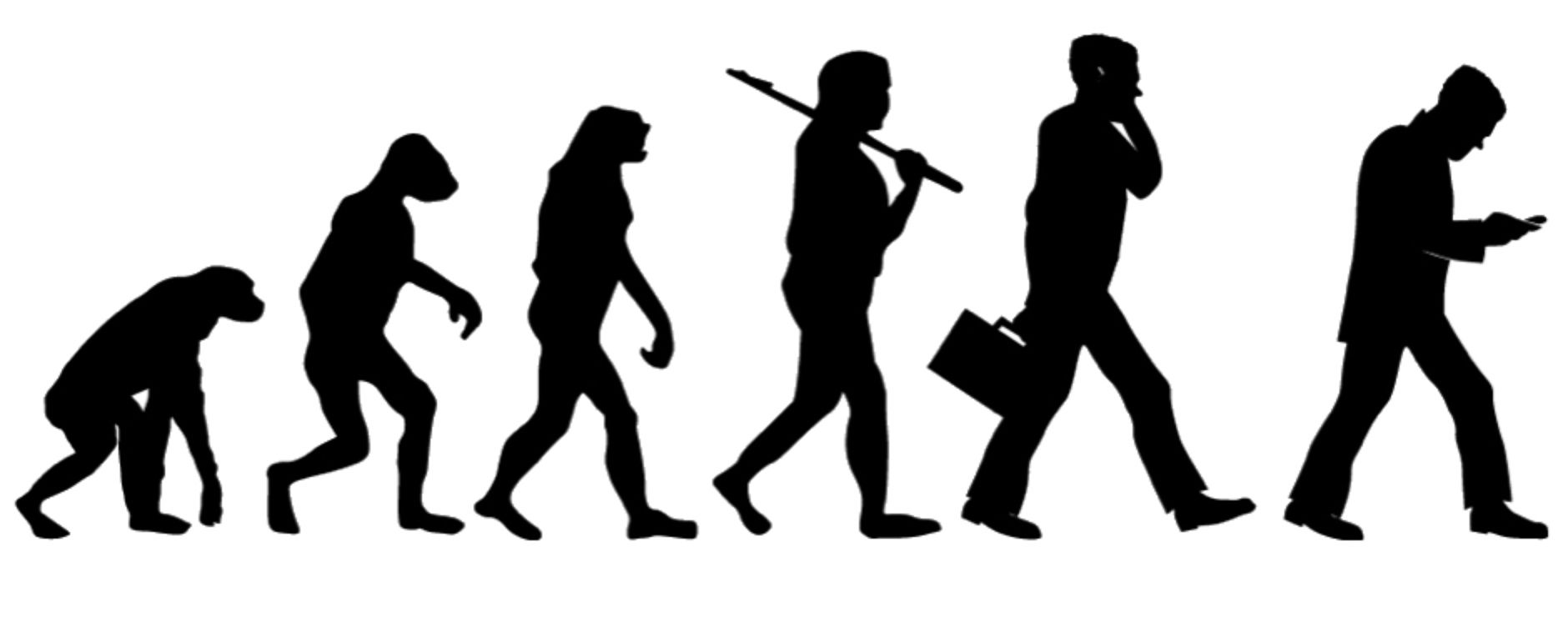
Humans have always lived in symbiosis with their tools. By inventing more and more sophisticated and intelligent tools, mankind has changed itself and become smarter over time. This is a natural process, and it is nonjudgmental. The mistake the prophets of doom make is to assign value to it. One typical example is the belief in “progress”, as though mankind were striving throughout its history to reach a certain goal that will make them better humans. Another is the worry about technology-induced human degeneration, or as Frank Schirrmacher once put it in an interview, “my brain is being squashed by the Internet”.

Ray Kurzweil is a visionary as well as a serial entrepreneur which gives him sufficient financial independence to pursue his investigations into the way technology is shaping human destiny. He is one of the founders of the so-called “singularity movement” which can be traced back to the early computer scientists John von Neumann in the 1950s and Irving J. Good in the 1960s and which hopes to achieve man’s age-old dream of immortality. Singularity describes a world in which mankind, far from being dominated by machines, will become one with them, melding together and thus producinga new, superior kind of intelligence which can help us become better and more „human“ beings.

Kurzweil first came in contact with singularity in the 80ies at about the same time he first heard of Moore’s Law. Gordon Moore, one of the founders of Intel, predicated that the power of semiconductor chips would double every 16 to 18 months. Doubling down, as every gambler knows, leads to enormous acceleration. We call this “exponential growth”.

The oldest story about exponential growth comes from ancient India, where it is alleged that the inventor of the game of chess was told by his grateful sovereign that he could have a wish. He asked for as many grains of rice as would be needed to fill a chessboard, with one grain on square one, two on square two, four on square three, eight on square four, and so on, doubling the number of grains on each succeeding square. Weiterlesen

Veröffentlicht unter Das digitale Ich, Digitale Aufklärung | Verschlagwortet mit , , , , , , , , , , , , , , , , , , , | Hinterlasse einen Kommentar