Uber, Buzzfeed and the Future of Journalism

Whom to believe?

Who do we believe?

Newspapers are dying  – and so what else is new? New Orleans, a metropolis of some 380.000 and number 51 in the list of the largest US cities is without its own daily, since the Time-Picayune went online-only in May 2012. Previously, the Detroit News cut the frequency of its print edition to three days a week. The newspaper industry as a whole has shed at least a fifth of its journalists since 1971, and no end in sight.

On the other hand, blogging has largely taken over as the prime source of news and commentary for many digital netizens, and not only just the young ones. Publishers regularly bemoan this at conventions and trade shows, and in Germany the mass-circulation Bild-Zeitung relys increasingly on what they call “reader-reporters”  for breaking news and exclusive images taken by somebody with a smartphone and the luck to be on the spot at the right moment. In fact, they pay amateurs more than they do professional photographers.

The New York Times famously still claims to run “all the news that’s fit to print”, but that is obviously an exaggeration since paper pages can only hold so much text, while websites and blogger’s homepages are infinitely extendable, and your idea of what’s fit to print may be very different from that of “Auntie Times”.

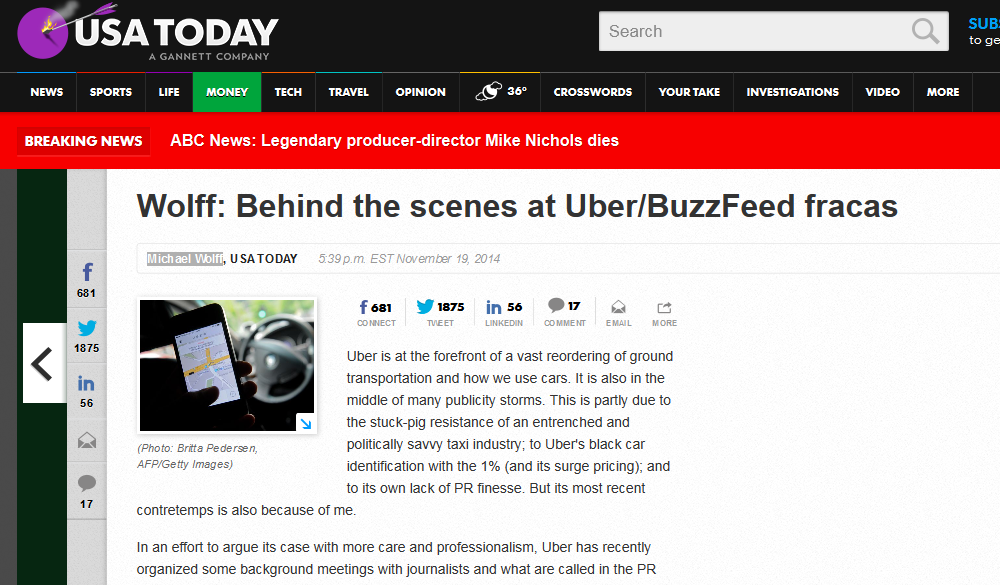
But is there a difference in quality, at least? To get my first job as a reporter I had to undergo a two-year “apprenticeship”, living and reporting from hick towns out in the boondocks, interviewing old-timers who had just turned 90, noting down fatstock prices, listening to town commissioners droning on for hours or covering the latest deadly car crash on Saturday night. I graduated to a big-town daily and went on to become a – professional – reporter for BILD, where I reached an audience of three or four million every day. By now I can claim to know what I am doing, including what rules serious journalists play by, what you can and can’t do in print, and most of the ethical and legal points involved in those decisions. Weiterlesen

Veröffentlicht unter Quo vadis Qualitätsjournalismus? | Verschlagwortet mit , , , , , , , , , , , | Hinterlasse einen Kommentar

Living at Internet speed

This blog post is also available as a podcast that I recorded myself

I feel the need, the need for speed!

I feel the need, the need for speed!

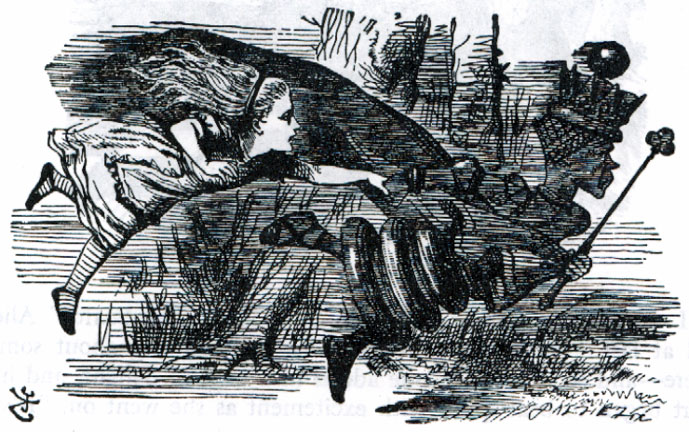
In “Behind the Looking Glass”, Lewis Carrol’s charming little book for children of all ages, the Red Queen takes Alice by the hand and pulls her away, running hard until the little girl is tired out and has to stop to catch her breath. To her surprise, she discovers that she is still standing where she started off. When she complains, the Red Queen replies: “You must come from a slow sort of country! Now, here, you see, it takes all the running you can do, to keep in the same place. If you want to get somewhere else, you must run at least twice as fast as that!”

Welcome to the land behind the computer screen where we all have the feeling that things are happening much faster than in the real world; faster than we can realize or understand what is going on and everything seems to be happening at fast forward. The Internet has given us a new way of reckoning time: “Internet Speed”, a time frame sometimes defined as being seven to eight times faster than normal time –kind of like “dogs years” which most of us believe are seven times as long as a human year.

This is hard for many of us to grasp, and not only for the elderly. It has more to do with adaptability, flexibility, open-mindedness and willingness to accept the new than age. Possibly the best example is Twitter. Mankind seems divided into two camps when it comes to these tiny snippets of text which were once described as “Internet telegrams”. On one side are those who think Twitter is just about the stupidest thing ever invented; the others believe it’s the greatest thing since the telephone. Weiterlesen

Veröffentlicht unter Das digitale Ich, Digitale Aufklärung | Verschlagwortet mit , , , , , , | Hinterlasse einen Kommentar

How digitalization and networking are changing us

This entry is also available as an audio podcast that I recorded myself.

And how are you feeling lately?

And how are you?

The Internet changes everything, so why not its users, too? This is this aspect of digital acceleration and change that cultural pessimists hate the most. Yet in fact it would be surprising if it were otherwise. All you need to do is look back on the evolutionary history of mankind to see that our ability to adapt to changes in our communications environment is what really makes us human.

The present generation has been born into a medial environment that is already marked by digital acceleration. Processes that once took time now can be performed in an instant. Kids are oblivious to this since they never knew anything else.

If Jaron Lanier, Nick Carr and their ilk were right then young people should be the first victims of “digital dumbing down”, meaning that they should be exhibiting symptoms of linguistic and cultural degeneration. Their language skills should be measurably poorer than elder people’s, their literary abilities inferior to those of their parents and grandparents. True: The mother of German thinker and author Ernst Jünger could recite Goethe’s entire “Faust” by heart, an ability that is rare today. And we are told that audiences in the time of Aischylos and Socrates often could recite entire plays after hearing them only once; such talented individuals were often enslaved and sold as private teachers to Sicily. Weiterlesen

Veröffentlicht unter Das digitale Ich, Digitale Aufklärung | Verschlagwortet mit , , , , , , , , , , | Hinterlasse einen Kommentar

Vom Wesen und vom Arbeiten des „Redakteurs“

Das kommt raus, wenn Redakteure versuchen zu schreiben...

Das kommt raus, wenn Redakteure schreiben

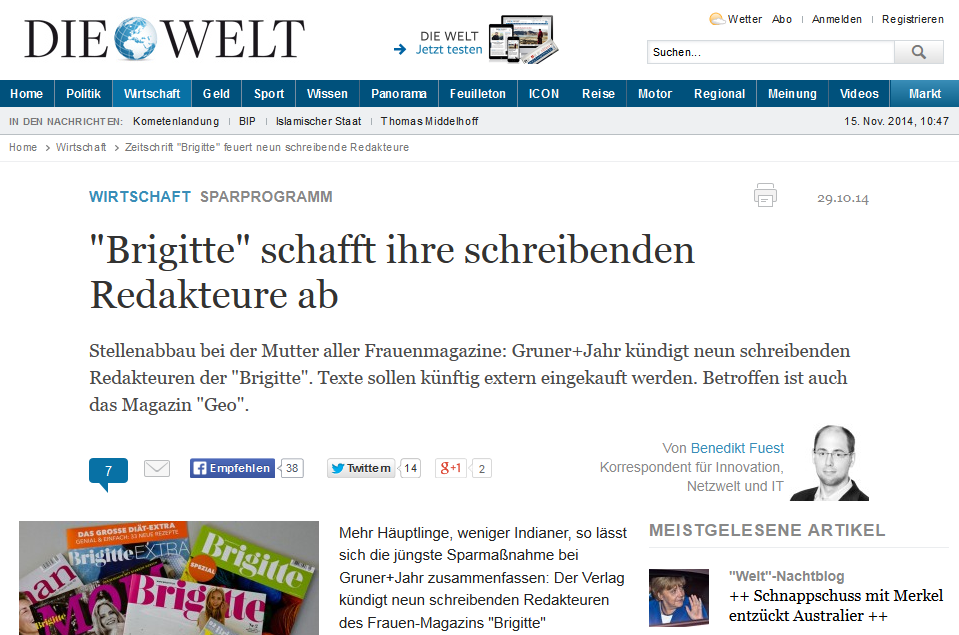
Das Frauenmagazin „Brigitte“ kürzt Stellen, was erwartungsgemäß zu einem heftigen Aufschrei unter den so genannten „Qualitätsjournalisten“ geführt hat. Die „Welt“ titelte gar: “Brigitte schafft ihre schreibenden Redakteure ab“.

Offenbar ist dem schreibenden Redakteur der „Welt“ gar nicht aufgefallen, was für einen Stuss er da abgesondert hat. Aber er ist alles andere als alleine damit.

Und es ist nicht vorausgesetzt, dass er überhaupt ein guter Schreiber sein muss: Spezialisierung ist unter journalistisch Tätigen ein alter Hut. Früher gab es noch Korrektoren bei der Zeitung, heute macht das Microsoft. Bei der „Bildzeitung“, wo ich in den 70ern die Ehre und das Vergnügen hatte, arbeiten zu dürfen hatten wir in der Hamburger Zentralredaktion Kollegen, deren einzige Aufgabe darin bestand, tolle (sprich: zugkräftige) Headlines zu texten wie diese: „Blauer Himmel. Es war kein Tag zum Sterben.“ Weiterlesen

Veröffentlicht unter Quo vadis Qualitätsjournalismus? | Verschlagwortet mit , , , , , , , , , , , , , | Hinterlasse einen Kommentar

Cloud-Heizung

Jedem seine eigene Cloud!

Jedem seine eigene Cloud!


Es ist schon eine vertrackte Situation: Während wir alle teures und unersetzliches Heizöl verbrennen, damit wir in der kalten Jahreszeit nicht frieren, wissen die Betreiber von Rechenzentren nicht wohin mit der Abwärme. Das Leibnitz-Rechenzentrum der KMU in München-Garching muss für die Kühlung von „Super-Max“ (wie der europaweit größte Supercomputer genannt wird) immerhin eine Kühlleistung von 8.500 KW bereithalten. Das sind 9.500 Gigawatt – so viel wie eine Kleinstadt.

Die meisten Rechenzentren blasen diese Wärme einfach in die Luft. Die Leibnitzianer haben wenigstens 200 Heizkörper und 2.000 Quadratmeter Fußbodenheizung drangehängt und können das ganze Areal damit im Winter beheizen. Einer Studie der Analystengruppe DCD Intelligence zufolge wächst die Zahl und Größe der Rechenzentren derzeit um ca. 20 Prozent im Jahr, das meiste davon angeheizt (sic!) vom Boom bei Cloud Computing. In den Londoner Docklands, wo die meisten britischen Rechenzentren stehen, ist kürzlich ein Baustopp verfügt worden. Grund: Es ist nicht mehr möglich, genügend Strom heranzuschaffen. Immer mehr Betreiber bauen stattdessen im hohen Norden, weil es dort kühler ist. So hat Facebook jüngst angekündigt, sein Rechenzentrum in der nordschwedischen Stadt Luleaa nahe dem Polarkreis ausbauen. Okay, sie bekommen von der schwedischen Regierung großzügige Förderung, aber das lokale Klima hat bei der Standortentscheidung ein deutliches Wort mitgesprochen: Die Durchschnitts-Außentemperatur beträgt dort nämlich nur 2 Grad Celsius. Weiterlesen

Veröffentlicht unter Allgemein | Verschlagwortet mit , , , , , , | Hinterlasse einen Kommentar

Starkoch wider Willen

Einmal ein Sternekoch, immer ein Sternekoch...

Einmal ein Sternekoch, immer ein Sternekoch…

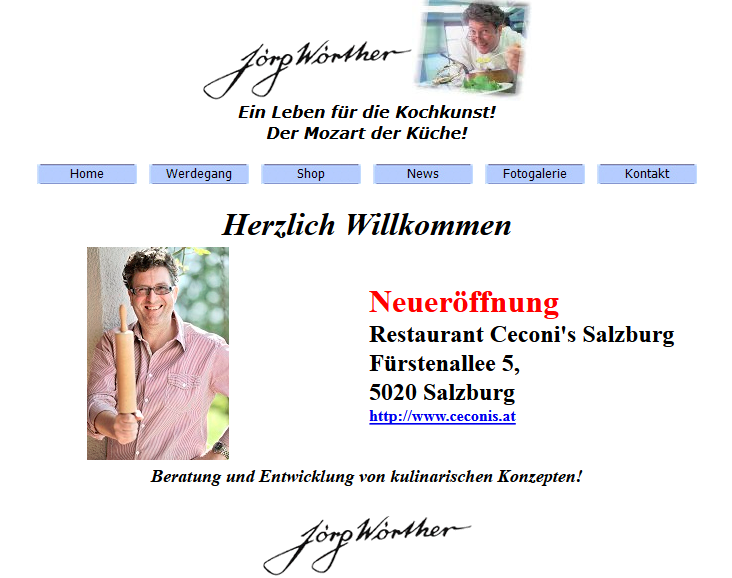
Es kommt nicht sehr oft vor, dass ein Koch von seinen Gästen gezwungen wird, einen guten Vorsatz aufzugeben und das Konzept seines Lokals komplett zu verändern. Jörg Wörther hatte eigentlich von den ganzen Sternen und Hauben genug. Sein Restaurant Jörg Wörther in Zell am See war fast sechs Jahre lang das Maß aller Dinge in der österreichischen Küchenszene, aber er wollte sich in Salzburg mit einem einfachen kleinen Lokal sozusagen ins Private zurückziehen.

Und so eröffnete er 2011 sein „Ceconi’s“ mit dem Vorsatz, eine mit Liebe gekochte, aber im Grunde eher einfache Küche anzubieten. Und so bekam man da auch wunderbare Pastagerichte und simple, von den frischen Produkten und der Jahreszeit inspirierte Rezepte aufgetischt, die wunderbar schmeckten und auch den Geldbeutel nicht allzu sehr strapazierten.

Nur: Die Salzburger wollten mehr von ihm. „Das einfache Konzept kam bei den Salzburgern nicht so an“, verriet jüngst der Oberkellner, als wir nach einer längeren Pause wieder einmal dort einkehrten – und uns etwas gewundert haben über das Speisenangebot. Gewundert im positiven Sinne, natürlich, denn ich habe noch nie im Leben so herrliche Flußkrebse gegessen, über einem Gemüsesud vorsichtig gedämpft und dann mit einer Paprikaessenz und geschäumtem Krebsmouse serviert. Auch der Kalbsbries mit Shitakepilzen war ein absolutes Gedicht. Nur war es nicht das, was wir eigentlich erwartet hatten.

Einerseits sind wir also traurig, dass uns ein Lieblingsrestaurant abhandengekommen ist. Andererseits haben wir ein neues entdeckt. Und das in ein und demselben Restaurant unter ein und demselben Küchenchef. Ja, wir müssen jetzt ein bisschen tiefer in die Tasche greifen, aber das tun wir gerne. Und dem guten Jörg Wörther bleibt nur die Erkenntnis: Einmal ein Spitzenkoch, immer ein Spitzenkoch. Weil die Gäste es so wollen…

Veröffentlicht unter Essen & Trinken | Hinterlasse einen Kommentar

Der Jungfernflug

Wo bin ich denn hier?

Wo bin ich denn hier?

Ich verbringe in den bösen Monaten (Vortragssaison ist von März bis Juni und von September bis November) manchmal mehr Zeit im Flieger als zu Hause. Und so fällt es mir schwer zu glauben, dass es Menschen gibt, erwachsene dazuhin, die noch nie ein Verkehrsflugzeug von innen gesehen haben. Vielleicht hat mir deshalb diese kleine Geschichte so viel Freude gemacht.

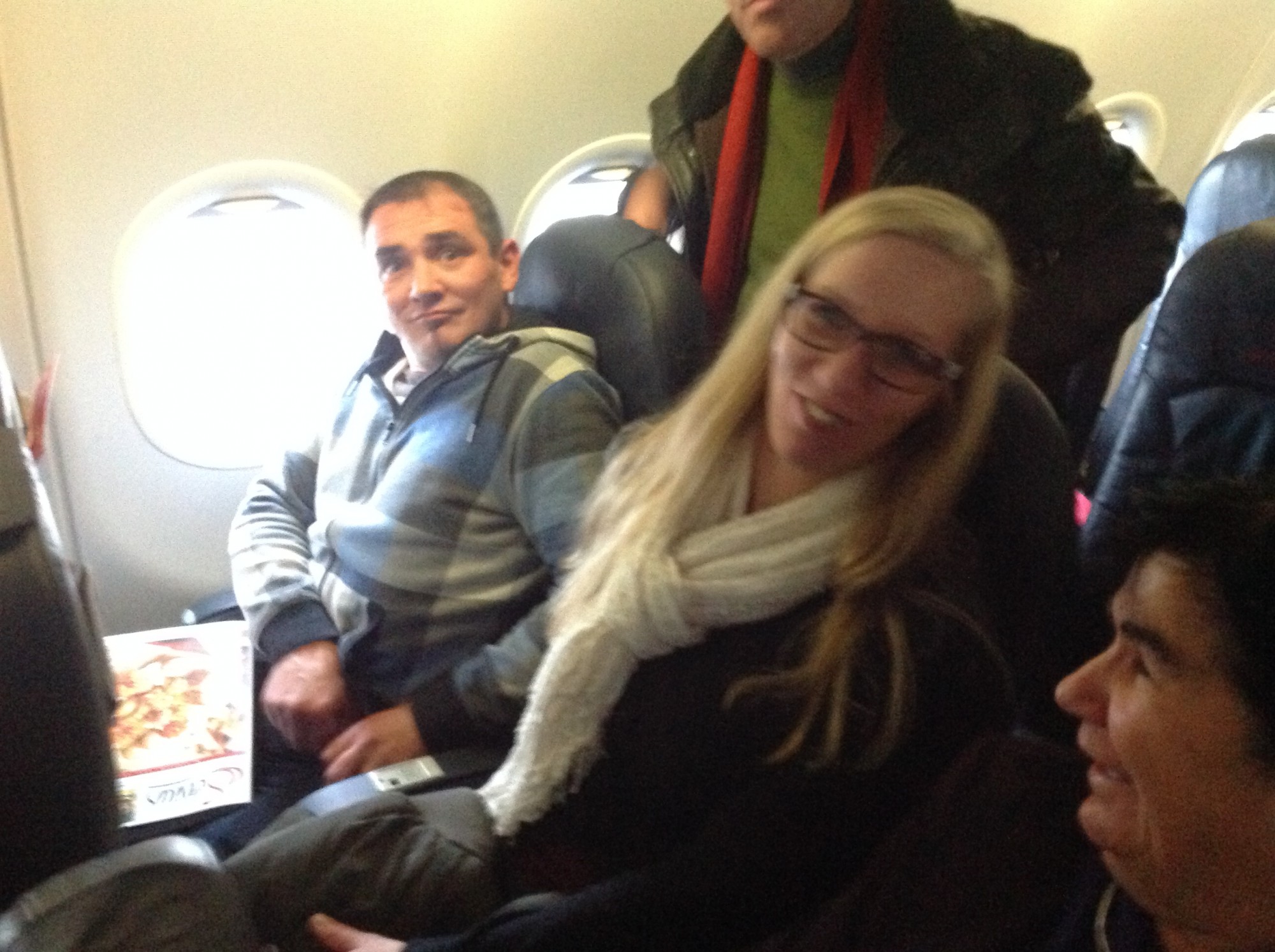
Ort der Handlung: Unser nette kleine „Feldflugplatz“ in Salzburg, wo man als Fluggast noch zu Fuss zur Maschine und zurück schreitet und es vollkommen genügt, wenn man eine halbe Stunde vor Abflug da ist. Diesmal hatte ich aber etwas mehr Zeit, und als zwei Damen und ein Herr mit großen Koffern völlig atemlos angerannt kamen, habe ich sie gerne vorgelassen zum Schalter. Sie bedankten sich, kramten aufgeregt vier Bordkarten aus den Handtaschen und checkten ein. „Gerade noch geschafft“, dachte ich mir, hatte die Sache aber schnell wieder vergessen.

Eine Viertelstunde später, ich trank gerade mit meiner Frau einen gemütlichen Abschieds-Cappuccino, setzen sich die drei seelenruhig an den Nebentisch und tranken ebenfalls Kaffee. Geht mich ja nix an, dachte ich, aber neugierig war ich doch. Ich fragte also die ältere der beiden Damen, die zufällig neben mir Platz genommen hatte, wohin die Reise gehen würde. Nach Hamburg, meinte sie – aber das war ja die gleiche Maschine, mit der ich fliegen sollte, und ich hatte noch alle Zeit der Welt.

„Wir mussten schnell das Gepäck aufgeben, bevor ihr Mann vom Klo zurückkommt“, sagte sie, und deutete auf ihre jüngere Mitreisende. „Der weiß nämlich nichts von seinem Glück. Wissen Sie, der ist noch nie geflogen, und das soll eine Überraschung werden…“ Weiterlesen

Veröffentlicht unter Allgemein | 1 Kommentar

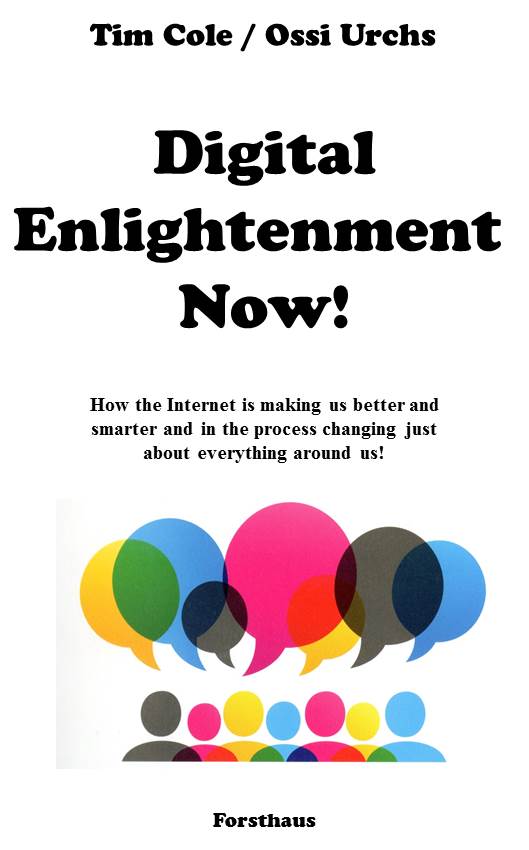
Ten ways Digital Enlightenment will change us and the world around us

In Chapter 1 of our book „Digital Enlightenment“, Ossi and I establish ten basic forces of change in the Digital Age and how we as individuals and as a society will need to adapt in order continue to lead rich and rewarding lives in a world in which digitalitaion and networking have become determining factors. We call this part of the book our „10 Theses on Digital Enlightenment“. Here they are:

Thesis 1: Everything that can be digitalized will be digitalized. Everything that can be connected will be. And that changes everything!

The massive trend towards digitalization has economic roots that reach back to something called, rather imprecisely and confusingly, “Moore’s Law”. What Gordon E. Moore, one of the founders of Intel Corporation, actually formulated back in 1965 was less a law than an hypothesis, albeit one that has remained valid to this day.

Moores “law” simply describes the tendency of digital gadgets to double their capacity approximately every two years. This ability to sustain growth that is exponential (a phenomenon that we will hear more about later) also leads to the halving of costs for digital computing power every two years. More than any other factor such as the elimination of variable costs, this is the cause for the rapid price decline in the market for digital products. This price slide does not only effect microprocessors and digital storage media, but also such everyday devices as refrigerators and washing machines, TV sets and telephones, since they are all loaded with microchips nowadays. And indirectly this also influences the logistical distribution systems and other services these markets depend upon, since they too are increasingly being managed digitally.

As always when markets suffer from massive price depreciation, vendors strive to “cut out the middlemen” by reaching out directly to their potential customers. Global connectivity is the perfect means from them to interact with consumers around the world, as more and more manufacturers, dealers, markets and customers “go digital” to a degree no one just a few years back could have imagined in their wildest dreams. Together, the ongoing digitalization of the economy and the global networks connecting markets and buyers has fundamentally changed the way society – and business – works. Weiterlesen

Veröffentlicht unter Digitale Aufklärung | Verschlagwortet mit , , , , , , , , , | Hinterlasse einen Kommentar

Luxuröser Service


Nicht nur von außen spitze!

Nicht nur von außen spitze!

Manchmal erkennt man die Qualität eines Hotels an der At, wie es mit uns „dummen“ Gästen umgeht, die ja am Ende des Tages Kunden sind. Wie oft habe ich zum Teil recht wertvolle Dinge (Computerkabel, Adapter, Bücher, ein Rasierapparat) im Zimmer zurückgelassen, die dann später unauffindbar waren. Gut, ich werde alt und die Demenz setzt ein, aber ich war auch als junger Mensch recht vergesslich, und ich reise viel: perfekte Voraussetzungen für das Liegenlassen.

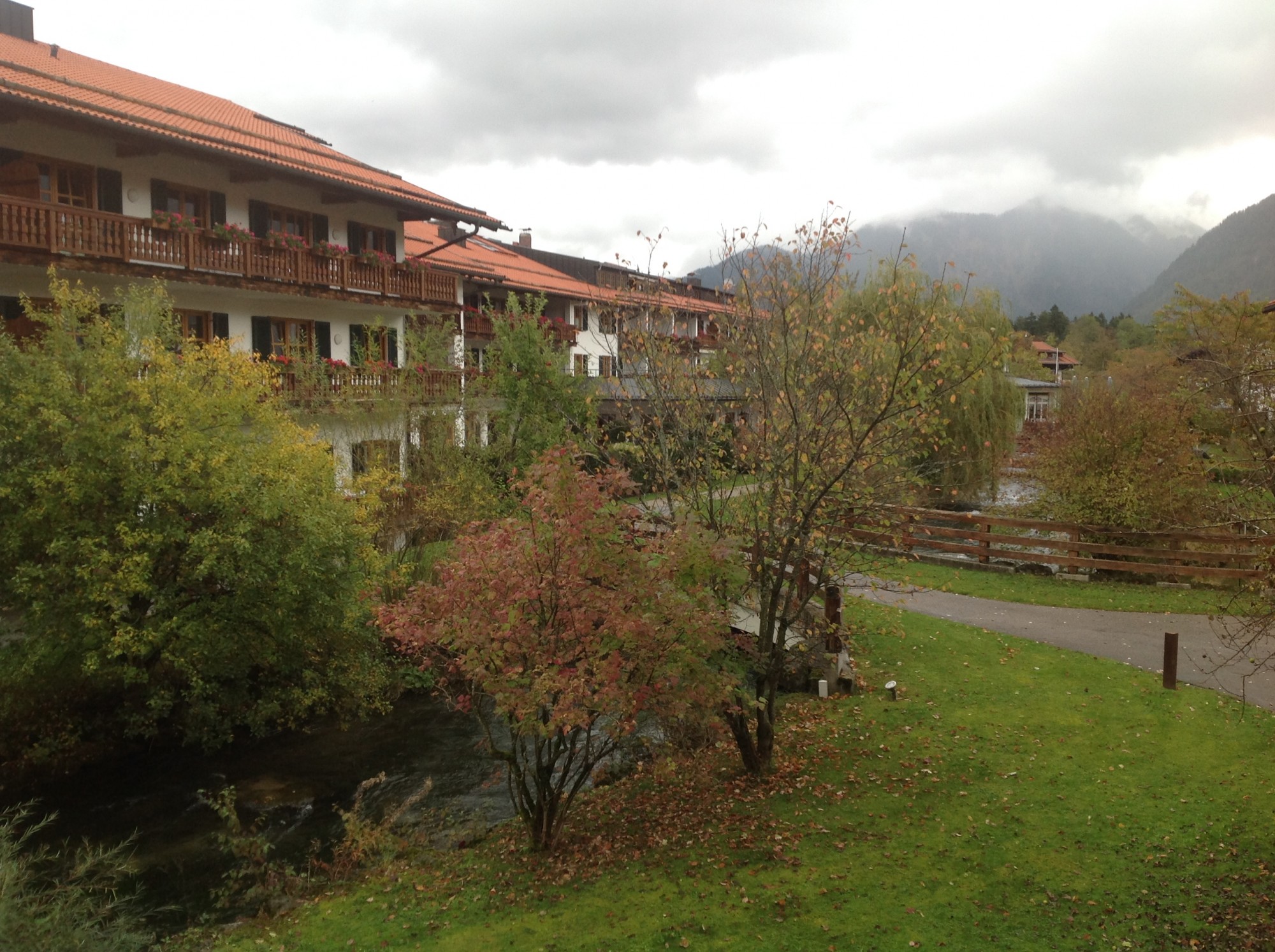
Aber so schlimm war es noch nie wie neulich, als ich im wunderschönen Hotel Bachmaier am Tegernsee (nein, nicht der in Rottach-Egern, sondern der in Weissach) gewohnt habe und auf dem Nachhauseweg entdeckte, dass ich meinen nagelneuen iPad samt sauteurem Lederetui zurückgelassen hatte, diesmal nicht im Zimmer, sondern bei der Abendveranstaltung im Festsaal.

Ich rief sofort an und hatte eine freundliche junge Dame namens Nicola am Telefon, die kurz nachschaute und mir dann die gute Nachricht zu flötete: „Ja, wir haben Ihren iPad gefunden.“ Meine Frau, die am Steuer saß, machte sich schon zur Umkehr bereit. Wir waren schon hinter Salzburg, also würde uns meine Vergesslichkeit ungefähr zwei Stunden Autofahrt und damit das geplante Abendessen in Werfen kosten. Und da meinte die liebste aller Nicolas: „Wohin sollen wir es schicken, vielleicht zu Ihnen nach Hause?“ Weiterlesen

Veröffentlicht unter Essen & Trinken | Verschlagwortet mit , , , | Hinterlasse einen Kommentar

How to Become a Leading Hotel

Ever wonder what it takes to become one of the world’s Leading Hotels? I did on the occasion of my stay at the Hotel Palace Berlin, which is a member of that elite and illustrious group, and truth be told I still don’t know the answer. For one, there are better or at least better known super-luxury hotels in the German capital, for instance the new Adlon or Sir Rocco Forte’s Hotel Rome where no expense was spared. Compared to them, the Palace seems a bit left behind, like an elderly Hollywood star scheduled for some overdue facelifting.

Okay, I suppose it helped back in the old days before German reunification if you were located in what was then the pulsing heart of (West) Berlin, right across from the famous Zoo and handy for the famous emporium KaDeWe, not to mention the (then) main rail terminus Bahnhof Zoo and a quarter of an hour’s taxi ride from Tegel airport. But seen from the outside, the Palace is hardly very imposing and kind of acts as an addendum to a rather shabby shopping mall. Yeah, the lobby is suitably posh in a slightly old-fashioned glitzy kind of way. And the rooms – or at least my room in the seventh, or “Club” floor – wasn’t particularly big not overly well-appointed: a double bed whose mattress hadn’t been turned for quite a while, and possibly hundreds or thousands of previous sleepers had left behind a distinct and frankly (again: for me) somewhat annoying hollow; a cramped little desk, two over-stuffed armchairs; a tiny mini bar containing, among other things, a bottle of sparkling water that another previous guest had drunk and refilled with tap water before carefully recapping it and putting it back in the fridge. I mean: You can pay 400 Euros for a hotel room, but you can’t afford a bottler of water? What a sorry creature… Weiterlesen

Veröffentlicht unter Essen & Trinken | Verschlagwortet mit , | Hinterlasse einen Kommentar